Buying guide
Revolving credit mortgages: what are they & how do they work?
Everything you need to know about this useful but potentially expensive home loan feature


AI summary
A revolving credit mortgage acts like a large overdraft on part of your home loan, letting you deposit and withdraw funds freely. You only pay interest on the amount you've used.
This flexibility can help you pay your mortgage off faster. However, it requires strong financial discipline to avoid overspending. These accounts also have a higher variable interest rate than fixed-rate loans, making them costly if not managed well.
They are best for disciplined savers; seeking professional advice is recommended.

What is a revolving credit mortgage?
The benefits of a revolving credits
May help you pay your mortgage off faster
Extra flexibility

Revolving credits can be great but they can be expensive if they're not managed well.
Lower interest rate than a bank overdraft
Only pay interest on money you’ve used
The drawbacks of revolving credits
You need to be disciplined
They’re expensive
-fotor-2024040216482.jpg)
Make sure you do your homework before applying for a revolving credit.
Making a revolving credit work for you
Get expert advice before signing on the dotted line
Author
Discover More

First home buyer stories: from casual browsing to owning a hidden gem in Onehunga
Today's buyer-friendly environment is turning long-held real estate dreams into reality. Just ask Diana Ahumada.
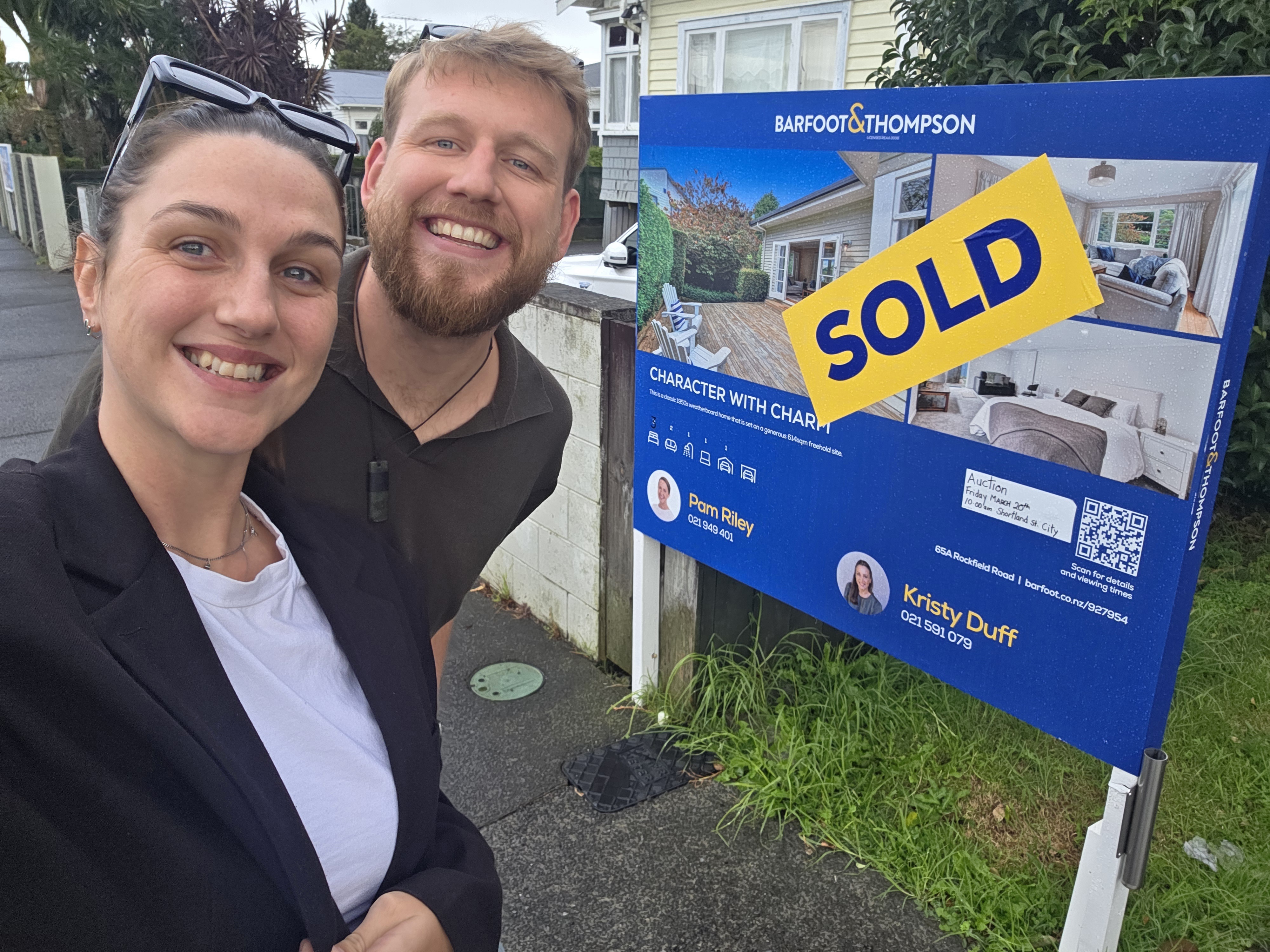
First home buyer stories: From an empty auction room to One Tree Hill
A ghost auction, maxed-out KiwiSaver, and a builder uncle's nod: how Zach and Zara bought their first home.


Search
Other articles you might like